
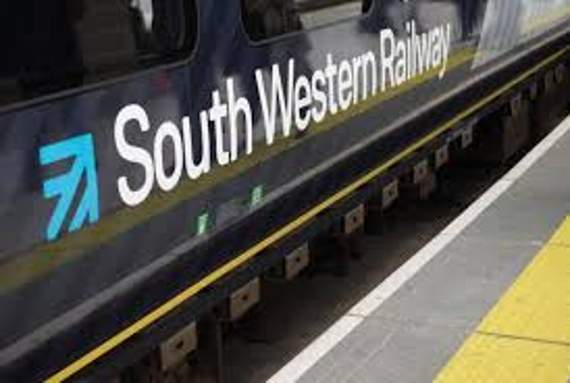
RAIL users in Haslemere hit by a New Year’s Eve walkout on South Western Railway as part of its ongoing dispute over guards with the RMT saw their fares increase again on Tuesday.
The fresh hike in rail fares from January 2 has been condemned by the town’s commuters, following a year of disruption and strikes on South Western Railway’s service.
The planned 3.1 per cent rise will see an annual season ticket to London Waterloo, excluding the Underground, go up by £128 for standard class - from £4,112 to £4,240. It will cost £216 more for first class - from £6,992 to £7,208.
Independent watchdog Transport Focus said the rail industry got £10bn a year from passengers, who wanted a reliable railway offering better value for money.



But only 45 per cent are satisfied with the current performance, with train-service punctuality being at a 13 year low.
Rail campaign groups described the latest fare rise as “another kick in the wallet” for passengers.
Jeremy Varns, campaigns coordinator for action group South Western Railway Watch, said: “Once again rail passengers face the worst possible start to the new year with another round of fare rises.
“The government appears to be in denial about the real impact this is having on the lives of passengers as well as the UK’s economic competitiveness.
“Earlier this year, one of the country’s largest unions, the TUC, published research which shows rail passengers in the UK are spending up to five times more of their salary on season tickets than passengers in other European countries.
“What are the immediate impacts of high fares? In 2018 there were a record 31.5 million cars on the UK’s congested roads and a number of rail routes, including those on South Western Railway, have seen further declines in passenger numbers.
“Research commissioned by the motoring group, RAC, illustrates that rail fares have risen by almost 50 per cent in the past 10 years yet average wages have only grown by 21 per cent in the same period.
“Furthermore, since 2013 the costs of travelling by rail has overtaken motoring when all associated costs of running a car are taken into account.
“Is it any wonder more people are taking to the roads or finding jobs closer to home.
“While much of the focus has been on the costs of season tickets, other ticket types can also add up to thousands of pounds a year for those commuting to work or making other regular journeys.
“Pricing people off our railways and pushing others into transport poverty cannot be viewed as a tolerable position. We urgently need a change of direction from the government.”
Increases in about 45 per cent of fares, including season tickets, are regulated by the UK, Scottish and Welsh governments.
They are predominantly capped at July’s RPI inflation figure, which was 3.2 per cent, while other fare rises are decided by individual train companies.
Comments
This article has no comments yet. Be the first to leave a comment.