
A clean air zone will not be coming to Guildford after councillors accepted a report saying the costs would outweigh the benefits of such a scheme.
Guildford Borough Council’s cabinet was presented with a report into measures to stem the level of harmful air pollution in the town.
The possibility of a clean air zone for Guildford was raised in a draft air quality action plan, although it sparked concerns over its potential economic impact on the town.
Councillor Merel Rehorst-Smith said: “A clean air zone scored highly as a measure capable of delivering air quality improvements within a relatively short timeframe.


“However, it was recognised that introducing a clean air zone would have significant implications for residents, businesses, and visitors, and therefore a detailed economic feasibility assessment was commissioned before any decision could be made.”
Clean air zones have become increasingly common in cities and towns across Britain over the past few years, many of which see high-polluting vehicles charged a small fee for entering the area.
However, some schemes opt for traffic control measures instead of charges on motorists.
The London Ultra Low Emission Zone is one of the best known examples, which sees vehicles that do not meet emission standards billed £12.50 to drive within its borders.
A feasibility study into a possible Guildford clean air zone found that such a measure could bring significant costs, and instead recommended targeted interventions in pollution hotspots and incentives for active travel.
It was considered by the council’s overview and scrutiny committee earlier this month, where report lead Dr Margarethe Theseira told councillors: “The reason a clean air zone or low emission zone is not proportionate to local need is that the air quality is very much concentrated on one site, at Park Street.
“And so it made a broader scheme disproportionate in scale and cost. There are alternative measures you can do to improve air quality at Park Street.”
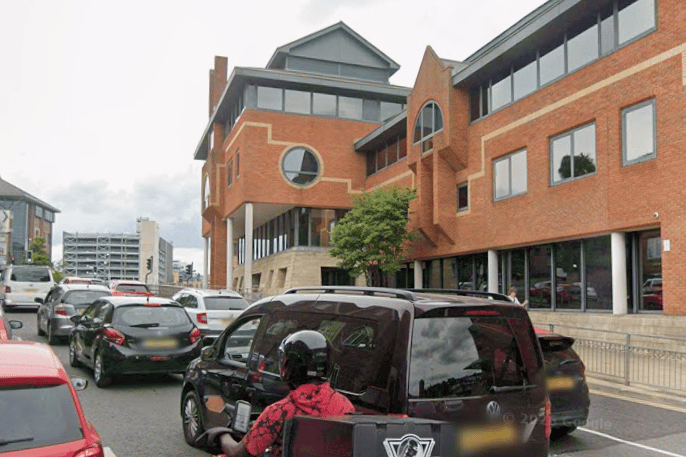
The research found that Park Street saw especially high levels of pollution as vehicles are forced to drive uphill before being held at traffic lights.
Better traffic management and engineering solutions were floated as options to alleviate nitrogen dioxide spikes in the area rather than a blanket clean air zone for the entire town.
Cllr Rehorst-Smith said: “The study concludes that a clean air zone would not be a proportionate or economically justified intervention for addressing the air quality issues identified.
“Instead, the study implements a package of targeted measures focused on promoting active and sustainable travel, improving traffic management, and delivering local mitigation measures.”
Guildford Borough Council’s cabinet resolved to note the conclusions and recommendations of the feasibility report.
Councillors also agreed to report its findings to the Department for Environment, Food and Rural Affairs and report back on a revised draft Air Quality Action Plan within six months.
Comments
We've recently changed our login process. If you have an account for commenting, you will need to re-register on the login window.
This article has no comments yet. Be the first to leave a comment.