
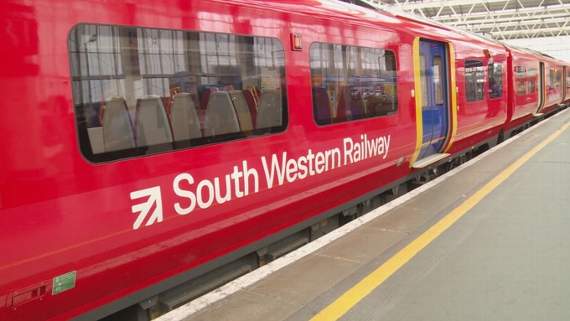
A FRESH hike in rail fares from January 2 has been condemned by Haslemere commuters, following a year of disruption and strikes on South Western Railway’s service.
The planned 3.1 per cent rise will see an annual season ticket to Waterloo, excluding the Underground, go up by £128 for standard class - from £4,112 to £4,240. It will cost £216 more for first class - from £6,992 to £7,208.
Independent watchdog Transport Focus said the rail industry got £10bn a year from passengers, who wanted a reliable railway offering better value for money. But only 45 per cent are satisfied with the current performance.
Condemning the rise, Haslemere Rail Users Group (HRUG) has come up with its own calculation, which would take performance into account.

HRUG secretary Martin Odell said: “This rise is based on the Retail Prices Index and there have been calls to use the lower Consumer Price Index of 2.5 per cent.
“But any increase is painful and unfair given the suffering of rail travellers from the ongoing operational difficulties. To address this iniquity, we propose HRUG-IP, an entirely new index based not only on inflation but also on performance as measured by punctuality.
“Taking the latest performance figure of 80.2 per cent from the Office for Road and Rail, this would limit the 2019 annual increases for season ticket holders to £103 and £173 for standard and first class respectively. We urge Haslemere travellers to support HRUG-IP.”
The Office for Road and Rail, an organisation set up to monitor Network Rail, has ordered that Network Rail steps up engagement with the train operators to identify causes of low punctuality and reliability and HRUG is hopeful that the initiative will produce benefits for Haslemere travellers.
Stepping up the pressure, the industry has just appointed a new impartial and independent ombudsman for the railway to ensure passengers are satisfied.
Campaign group SWR Watch has gone further than HRUG and called for the rises due to take effect from January to be cancelled, due to “declining” performance levels.
Campaign co-ordinator Jeremy Varns said: “The situation goes from bad to worse for long-suffering rail users, with confirmation that fares will again increase faster than most people’s wages.
“UK rail users already pay some of the highest fares in the world, yet the rate of increase shows no signs of abating and the cost of travelling by rail versus road increases further. In contrast, car drivers are paying lower fuel prices than in 2011 and will continue to do so, while the government prioritises polluting and inefficient road transport over trains, buses and trams.
“We are calling on the Transport Secretary to cancel the fare rises planned for next January.
“If the UK is to attract more inward investment post-Brexit, and meet our environmental responsibilities, then we need to create an affordable, fully-integrated rail and bus network.
“Pricing people off our railways and penalising those who have no alternative can no longer be viewed as tolerable position by politicians.
“We need government capital spending to bring the network up-to-date while competition is required on all the main routes to drive up standards and lower fares.
“Long term this is a better strategy that will deliver sustainable growth rather than the patch-and-mend approach of the current government.
“Our railways are no longer the envy of the world; it’s time that politicians wake up to this fact. A new approach is needed.”
Paul Plummer, chief executive of the Rail Delivery Group, defended the price rise, saying money received from the increase in fares would go toward improvements to the railway.
Mr Plummer said: “Nobody wants to pay more to travel, especially those who experienced significant disruption earlier this year.
“Money from fares is underpinning the improvements to the railway that passengers want and which ultimately help boost the wider economy. That means more seats, extra services and better connections right across the country.”
Comments
This article has no comments yet. Be the first to leave a comment.