
STREET lights were switched off from midnight last month in more than 70 residential roads across Haslemere, Hindhead, Chiddingfold, Witley, Hambledon and Milford.
The blackout is the fourth and final phase of Surrey County Council’s ‘part night lighting programme’ in which 44,000 street lights across the county went dark to save an estimated £210,000 a year.
Residential roads near Haslemere Health Centre, All Saints parish church, Witley, and Beacon Hill and Haslemere recreation grounds, are now switched off, and much of Critchmere and Shottermill has gone dark.
The first phase of the cost-cutting project was rolled out in December, after Surrey’s decision-making cabinet approved the scheme in November.
.png?width=209&height=140&crop=209:145,smart&quality=75)


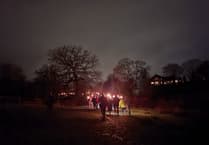
The move was opposed by opposition Lib Dem councillors, who accused Surrey of failing to consult the residents affected and jeopardising public safety.
Lib Dem highways spokesman councillor Stephen Cooksey said: “My experience is most people are keen to see additional lighting in poorly lit areas, and this has been even more the case in the light of continued reductions in police resources.
“The Conservatives are making a political choice to reduce funding for services – but at the same time increasing council tax.”
Justifying its decision, the county council said turning off 44,000 street lights in residential areas would save around £210,000 per annum and reduce the council’s carbon dioxide “footprint”.
Lights will not be switched off in roads where Surrey Police have raised concerns about the potential effect on crime, nor will they be switched off on busy roads with high traffic volumes.
Asked why streetlights could not be dimmed rather than switched off completely – and why they could not be converted to LED, which uses less energy – Surrey County Council responded: “The vast majority of the lights are dimmed from 11pm-5.30am each night.
“Lights in residential areas are dimmed by 50 per cent power and those on traffic routes by 25 per cent.
“Lights on traffic routes are not planned to be switched off. The council has carried out tests by dimming lights by more than 50 per cent and found they do not function properly and start flickering.
“When our street lighting contract was awarded in 2009, LED technology was not proven on street lights at the time and the council invested in a central management system allowing us to dim the lights and switch them off if we wanted to.
“The council has recently investigated the costs of replacing the street lights with LED as they could reduce energy consumption and carbon dioxide by up to two-thirds. However the cost of installing LED lanterns would exceed the energy saved over the next 10 years or so. The cost of LED is reducing, so we will continue to review this.”
Comments
This article has no comments yet. Be the first to leave a comment.