

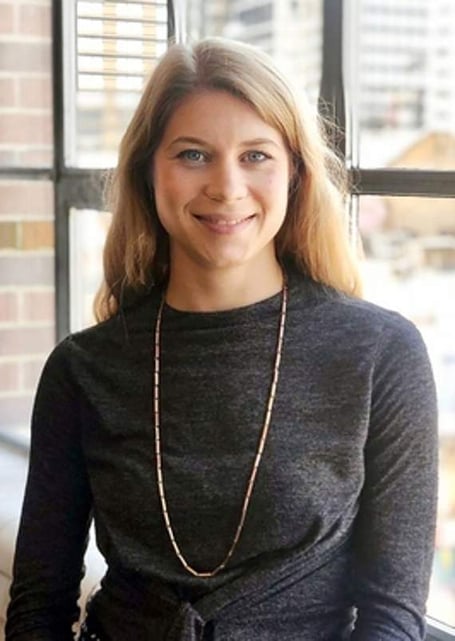
THE response to the murder of Sarah Everard has highlighted how unsafe women feel in our society and how this has been normalised.
Sarah went missing while walking home last week in London and Wayne Couzens, a Metropolitan Police officer, has been arrested for her alleged abduction and murder.
Metropolitan Police Commissioner Cressida Dick said it is incredibly rare for a woman to be abducted from our streets. But violence, harassment and abuse is not rare at all, and what has followed is an outpouring of stories from women, all over the country, about their experiences.
Statistics tell a dark story



A YouGov survey this week found that nearly all young women in Britain have suffered sexual
harassment:
* 97 per cent of women aged 18 to 24 told the YouGov poll they had been harassed.
* 80 per cent of women of all ages had suffered sexual harassment in public spaces.
Police and crime statistics present a similarly horrific tale:
* Police recorded 56,152 rapes in the year to September 2020.
* Reports of rape to the police have nearly doubled since 2015, and many more will have gone unrecorded.
* Police referrals of rape cases to the Crown Prosecution Service fell by 40 per cent in the last three years, with only three per cent ending in criminal convictions.
* Nearly one in three women in England and Wales will suffer domestic violence in their lifetime.
* Two women are killed every week at the hands of their partner or an ex-partner.
Thirty years ago I was running women’s self-defence courses and giving out free rape alarms at university. It is incredibly distressing that statistics show safety is worse than ever for women.
The way women are treated will not change with the argument that men just need to control themselves. It goes much deeper than that.
Women in the media
Women are rarely portrayed in the media in a positive, empowering or realistic way. They are often sexualised and judged by their looks, the way they dress and their relationship behaviour as opposed to their career, friendships or achievements. Advertising uses women and their sexuality to sell products, while giving women, and men, a false ideal of what women should look like.
Easier access to online pornography that denigrates women, corrupts the view men have about the way women want to be treated or what a relationship looks like.
Being encouraged to judge sexually charged relationships on reality television programmes gives an impression that women are in constant need of sexual attention, or portrays them as victims, usually at their own hand.
Financial independence
At the same time women still earn, on average, 15.5 per cent less than men, with the government creating entire tax and benefit systems that reward marriage. Low wages and benefits make it much harder for a woman to afford to live alone.
Without financial independence it is more likely that women will stay trapped in abusive relationships and men are given positions of power by the economy itself. We have seen in the #MeToo movement the abuse that often accompanies male power over women.
Policing
Cressida Dick said she was dismayed that a police officer was implicated in Sarah’s disappearance. “Our job is to protect people,” she said, and yet more and more of us feel that isn’t true. With cuts to police services, less police officers visible in our towns and cities, and many crimes not investigated, we are encouraged to live in a state of fear, with many women admitting they won’t go out alone after dark.
Government choices
We cannot underestimate the negative effect the choices this government has made on helping prevent violent crime towards women; cuts to policing, prison and probation services, mental health, education, housing and benefits to name but a few.
Add to this the lack of control of pornography on the internet and the way the media portrays women, should we be surprised at the frightening statistics in the YouGov poll?
What can we do?
If we want to make our community safer for women then we need to call out every instance of sexism, abuse, inequality and oppression.
We have to challenge sexual harassment that has been normalised as ‘banter’.
We have to stand with women who suffer abuse and fight for justice with them.
We have to invest in and create a system that is equal for men and women, financially and morally.
But we shouldn’t fall into the trap of thinking men, as a group, are the problem – a lack of equality is what leaves women most vulnerable, and a lack of support may well just kill them.
Comments
This article has no comments yet. Be the first to leave a comment.