
Dog owners are being urged to check their pets carefully after walks as vets warn that dangerous grass seeds are causing problems earlier than usual this summer.
Farnham Veterinary Hospital has issued the warning after treating dogs with grass seeds embedded in their paws and ears, amid reports from vets across the country of a rise in cases linked to the hot weather and longer grass.
The tiny barbed seeds can attach to a dog's coat before working their way into the skin, ears, eyes, paws or even the nose and mouth. Left untreated, they can cause painful sores, abscesses and, in severe cases, life-threatening infections.
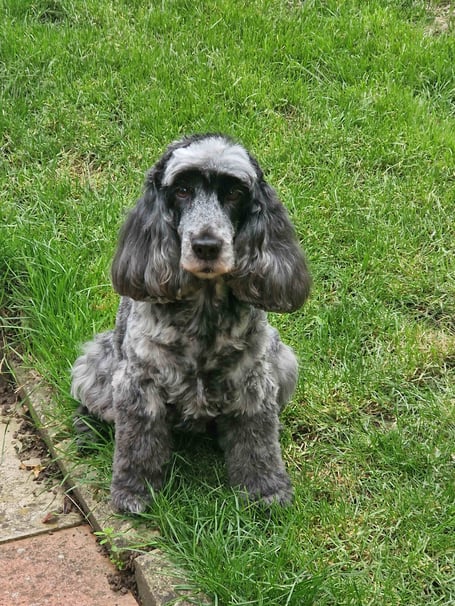
The warning comes after the Farnham practice treated 10-year-old cocker spaniel Winnie, whose owner feared she had an ear infection after she repeatedly scratched at her ear and yelped when it was touched.
Vet Mariella Savage instead discovered two grass seeds and a long grass bristle lodged inside Winnie's ear after the dog had rolled in freshly cut grass near Wellesley Woods in Aldershot.
Farnham Veterinary Hospital clinical director Antonia Nichols said: "When you're on a walk, seeds can fall off long grass and attach themselves via barbs to your dog's coat. If the seed then becomes embedded in their skin you may notice hair matting, irritation and swelling, and blood or discharge from a small wound.
"Other typical signs of a grass seed causing a problem include excessive or unusual licking, scratching, rubbing or chewing the skin, head shaking, limping or discharge from the eyes or nose.
"It's a really good idea to groom your dog and carefully check their coat, ears and paws if they've been through long grass and remove any seeds you find. If you're worried they may have an embedded grass seed, contact your vet."
She added: "Winnie is lucky her owner acted quickly, because if the grass seeds hadn't been removed it could have resulted in a ruptured eardrum, which would have been extremely painful."
Veterinary practices elsewhere in the UK have also reported seeing grass seed injuries earlier than normal this year.



Vets say the combination of prolonged warm weather and longer grass has increased the risk, with breeds including spaniels, setters and sheepdogs particularly vulnerable because of their long ears or feathered coats.
Heather Skelton, Winnie's owner, said: "I'm so glad I took Winnie to get her checked out and Mariella was so good with her and very thorough.
"I don't normally walk Winnie in long grass, but the grass on the playing field had been cut and Winnie likes rolling in it and rubbing her head into it. Her ear was very sore and uncomfortable, and it didn't occur to me at the time that it could be a grass seed.
"I'm now trying to walk Winnie in areas where the grass is shorter, and I'm also checking her over carefully every day so I can spot any seeds and remove them straight away."
Pet insurers have also reported an increase in grass seed claims in recent years, highlighting the growing problem during the summer months.
Comments
We've recently changed our login process. If you have an account for commenting, you will need to re-register on the login window.
This article has no comments yet. Be the first to leave a comment.