
Facebook community groups are increasingly becoming battlegrounds for political debate — where a single post can spiral into pages of memes, accusations and argument.
That was the experience of one resident, Emma Dixon, who found herself drawn into a lengthy exchange after a political message was shared across several local groups. What followed, she said, was a two-day back-and-forth dominated less by discussion and more by repeated graphics and increasingly heated language.
“It quickly stopped being a conversation,” she said. “It became more about attacking people than actually engaging with what was being said.”
While the exchange itself is not unusual, it highlights a growing concern among some residents about how political debate is playing out in online community spaces — particularly those originally set up for sharing local news, recommendations and events.
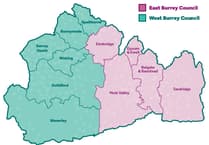


In an effort to change the tone, Emma created a separate post inviting local election candidates to share short “elevator pitches” outlining their priorities, while asking other users not to comment.
This time, the approach appeared to work. One candidate from the Green Party responded, and the post remained free from the kind of arguments that had dominated earlier discussions.
However, the response also revealed another issue.
“Reading it, I felt like any candidate could have said something similar,” Emma said. “Everyone wants to make things better — but as a voter, you want to know what makes someone different.
“It’s not enough to speak in general terms. People want specifics. What would you actually change locally? What would you prioritise that others might not?”
Emma’s concerns are echoed by other residents, who say a lack of visible, consistent communication from some candidates is also an issue.
One local voter, posting on the same community group, questioned why it was so difficult to find information about certain candidates.
“I’ve seen information about some, but for others there’s nothing,” they wrote. “I’m not going to go digging around looking for details — social media presence is essential in this day and age.
“How do I know if you are actually doing anything already or if you are just talking the talk?”
With more candidates turning to social media to reach voters, questions are being raised about how effectively they are using these platforms — and whether they are truly connecting with the communities they hope to represent.
Emma maintains that platforms like Facebook still offer a valuable and democratic way for candidates to connect with residents — but only if discussions remain constructive.
“People won’t engage with noise,” she said. “A calm, well-thought-out response is far more persuasive than posting dozens of images or reacting angrily.”
The episode, she believes, underlines the need not only for more respectful debate, but also more meaningful contributions from those seeking election.
As she puts it: “We should be able to disagree — but still have a conversation. And candidates should be able to clearly say what makes them different.”
Comments
We've recently changed our login process. If you have an account for commenting, you will need to re-register on the login window.
This article has no comments yet. Be the first to leave a comment.